On-call phone examples by industry
More than 500 organizations use Planitel to run their on-call phone service. See how local authorities, hospitals, IT departments, energy operators and transportation companies organize their rotations and secure every incoming call.

On-call example: a local authority
The context
A town of 15,000 residents must provide a 24/7 phone line for technical emergencies: water main leaks, street lighting failures, water damage in municipal buildings, winter road maintenance. Eight technical staff take turns on a weekly rotation.
The problem before Planitel
The single emergency number was a physical mobile phone passed from hand to hand. Forgotten forwarding, dead batteries and forwarding mistakes led to lost calls, sometimes reported directly to elected officials in the middle of the night.
The solution put in place
- The existing single technical emergency number was kept and linked to the Planitel schedule.
- A rolling 8-week rotation schedule, editable in real time from any computer.
- An automatic SMS alert to each staff member the day before their on-call shift.
- Escalation to the department head if the on-call person does not answer within 3 rings.
- A monthly call report to share with elected officials.
References: French municipalities, prefectures, government agencies and fire and rescue services.

On-call example: a healthcare facility
The context
A regional hospital runs several on-call lines at the same time: physician on-call duty by specialty (cardiology, emergency, pediatrics, anesthesiology), night nurse on-call, nurse manager on-call and building maintenance on-call. Each line involves between 5 and 20 people on rotation.
The problem before Planitel
Each department managed its on-call duty on its own, with Excel spreadsheets, paper notebooks and manual forwarding. Scheduling errors led to unanswered calls in the middle of the night, with a direct impact on patient care.
The solution put in place
- A single number for each on-call line, all managed from one central interface.
- An IVR up front: the caller selects the specialty and Planitel routes the call to the on-call doctor.
- Automatic escalation to the senior physician or department head if nobody answers.
- SMS alerts for every unanswered incoming call, with optional voice recording.
- A complete, exportable call history for regulatory traceability.
References: Ramsay Santé, Servier, and French hospitals and private clinic groups.

On-call example: an IT department
The context
The IT department of an 800-employee industrial group provides 24/7 support for critical applications. Ten L2/L3 engineers take turns on a weekly on-call rotation. When an incident hits production systems or the ERP, the response must come within 15 minutes.
The problem before Planitel
Manual call forwarding to personal mobile phones was often forgotten. A critical incident one Sunday evening caused 4 hours of production downtime because no on-call engineer could be reached, at an estimated cost of tens of thousands of euros.
The solution put in place
- A single IT on-call number, automatically forwarded according to the weekly schedule.
- 3-level escalation: L2 engineer → L3 engineer → infrastructure manager.
- A simultaneous SMS alert to the whole team as soon as a call is not picked up within 30 seconds.
- Call statistics exported every month for the IT steering committee.
- Real-time schedule changes from a mobile phone in case of unexpected absence.
References: Capgemini, Atos, Sopra Steria, Honeywell, Equans.

On-call example: energy
The context
An operator of wind and solar farms manages 45 sites across France. Four on-call technicians cover the entire fleet on a monthly rotation. Every alarm triggered on a site must be handled within 30 minutes.
The solution put in place
- A single national number centralizes all monitoring alerts.
- A monthly rotation schedule with 2 escalation levels (technician → senior engineer).
- An automatic call with a voice message describing the type of alarm and the site concerned.
- If there is no answer within 2 minutes, automatic escalation to the next level.
- Full traceability of every event for regulatory reporting.
References: TotalEnergies, Engie, Bouygues Energies & Services, RWE, Voltalia, Air Liquide, Veolia.
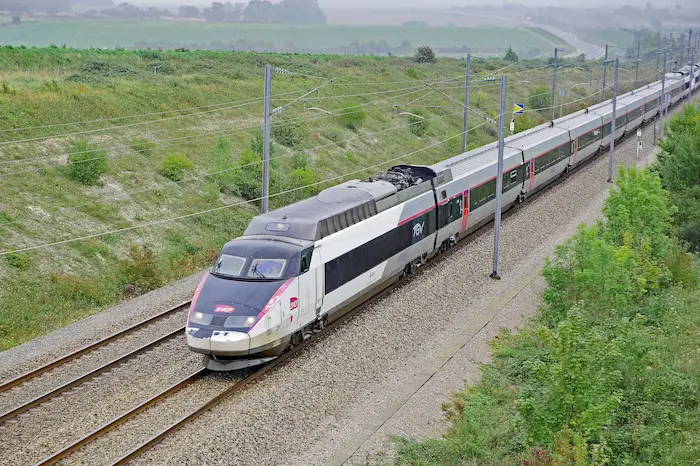
On-call example: transportation
The context
A regional rail network operator provides maintenance of tracks and technical installations 24/7, 365 days a year. Twelve maintenance staff take turns on call by geographic zone. Any incident on the track must trigger an intervention within 45 minutes.
The solution put in place
- A single number per geographic zone, forwarded to that zone's on-call staff member.
- An IVR to qualify the incident (track, signaling, power supply) before routing.
- Escalation to the regional manager if the zone's on-call person cannot be reached within 5 minutes.
- An SMS alert sent to the district manager each time on-call duty is activated.
- An exportable history for safety audits and reporting to the rail infrastructure manager.
References: SNCF, Captrain, Eurovia, Keolis.
What all these examples have in common
Whatever the industry, organizations that adopt Planitel start with the same problems and achieve the same results:
Before Planitel
- An on-call mobile phone passed around
- Forgotten manual forwarding
- Calls lost at night or on weekends
- Schedules on Excel or paper
- No call traceability
With Planitel
- Automatic forwarding based on the schedule
- Escalation when nobody answers
- SMS alerts for every event
- Schedule editable in real time
- Complete, exportable history
Measured results
- Zero lost calls since go-live
- Set up in under 10 minutes
- No hardware to install
- Works with your existing number
- 500+ organizations in France